
Avowed Lore Guide: Eora, Gods, and Souls for Newcomers
Avowed Eora lore meets the Pillars of Eternity world in this sharp primer on souls, gods, and empires.
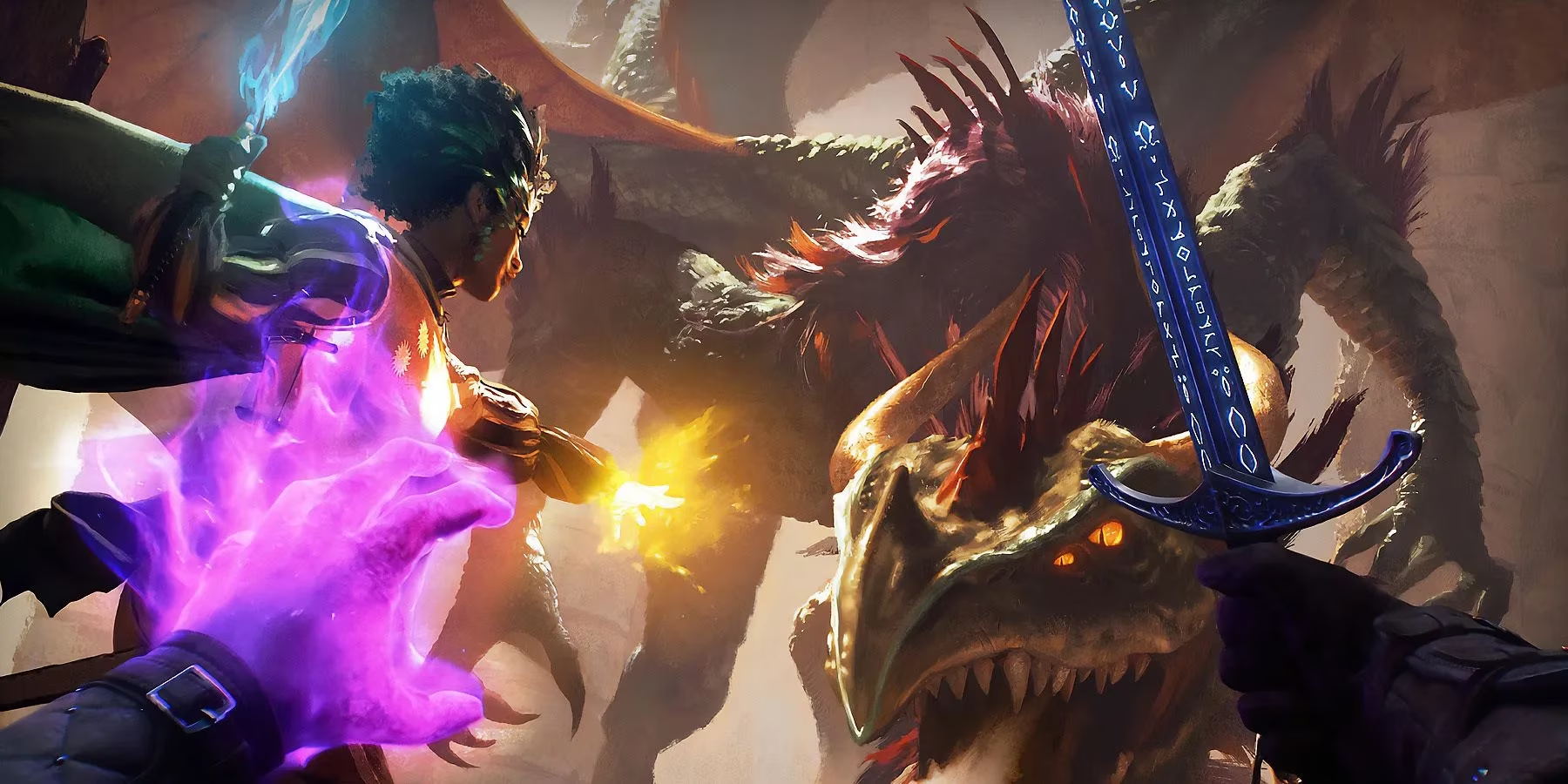
So, players have had some time to sink their teeth into Avowed since its 2025 launch, and the chatter around Obsidian Entertainment's first-person action RPG is still going strong. The game takes the studio's beloved Pillars of Eternity CRPG series and gives it a shiny new coat of paint—think Skyrim-style exploration but with the soulful, lore-heavy world of Eora underneath. For newcomers, that's a whole lot of homework. For returning fans, it's a victory lap through some of the richest worldbuilding in modern RPGs. Either way, there's no shame in needing a quick refresher. In a nutshell, Eora is a world where souls are currency, gods are artificial, and empires are clinging to power. Let's break down the big stuff without drowning anyone in a lore dump.
The Aedyr Empire and the Living Lands: A Match Made in Chaos
The Aedyr Empire didn't exactly start as a peace-loving paradise. It was born from a union between warring human tribes and the elven kingdom of Kulkin, and it grew into the most powerful nation in Eora. But here's the kicker: the empire has seen better days. Losing colonies like the Dyrwood—the setting of the first Pillars of Eternity—hit Aedyr hard, and its grip on power has been slipping ever since. Enter the Living Lands, Avowed's main setting. This place is basically the Wild West of Eora: lawless, wildly diverse, and packed with settlements that don't answer to anyone. Players may find themselves acting as the empire's long arm, whether they like it or not. That tension is a big deal, and it's worth keeping an eye on how much freedom Avowed actually gives players to push back.
| Key Location | What Players Should Know |
|---|---|
| Aedyr Empire | Former superpower, weakened by lost colonies; obsessed with law and order |
| Living Lands | Lawless continent of wilds and settlements; Avowed's playground |
| Dyrwood | Setting of Pillars 1; a former Aedyr colony that slipped away |
Races of Eora: More Than Just Humans and Elves
Avowed keeps character creation simple with humans and elves, but the Pillars games showed off a much wilder roster. Fans can expect plenty of familiar faces among NPCs and companions. Elves are mystical and isolationist, dwarves are the well-traveled bunch of the bunch, and halflings show up as the hairy, almost beast-like Orlans. Then there are the Aumaua—fishlike folks who have been front and center in Avowed's marketing—and the Godlike, who are essentially walking soul batteries for their divine parents. Yeah, it's a lot. But that variety is part of Eora's charm, and it keeps the world from feeling like generic fantasy boilerplate.
Animancy and the Wheel: Soul Magic 101
Here's where Eora gets weird in the best way. Animancy is the manipulation of souls, and it's one of the most unique magic systems in any RPG. The Wheel is the cycle of life—a primordial force that reincarnates souls into new bodies after death. It predates the gods, which is a pretty big deal. An ancient civilization called the Engwithans learned to tame the Wheel and control souls, and that knowledge eventually let them transform themselves into the gods of Eora. Soul maladies happen when a living being has a damaged soul or no soul at all, usually because something went wrong with the Wheel. Undead are called Vessels, and their defining trait is that their souls never returned to the Wheel. Creepy? Absolutely. Important for Avowed's mysterious plague? Almost certainly.
The Gods Are Fake (Sort Of), and That's a Problem
The gods of Eora are central to the lore, and they've directly meddled in past games. Eothas, the god of light, drove the main quest of Pillars of Eternity 2: Deadfire. Woedica, the god of law and justice, is basically the patron saint of the Aedyr Empire. But the first Pillars dropped a bombshell: the gods are artificial soul constructs created by the Engwithans. Eothas later tries to spread that truth and break their control over the Wheel. The ending of Deadfire leaves the Wheel in an uncertain state, which could doom future generations to be born soulless—known as Hollowborn—unless someone fixes the system in time. That's a pretty massive cliffhanger, and it's the kind of lore that makes players want to dig deeper.
What This Means for Avowed
Avowed's timeline is still a bit of a mystery—it could be a prequel, a sequel, or something in between. That matters big time because the state of the Wheel and the gods could explain the plague hitting the Living Lands. If Avowed takes place after Deadfire, the Hollowborn crisis and a broken Wheel might be the root of all that misery. If it's set earlier, players could be witnessing the seeds of those disasters. Either way, the lore is doing a lot of heavy lifting in the background. For fans who love a good deep dive, Eora is a goldmine. For newcomers, the trick is to enjoy the ride and not sweat the small stuff. The game has plenty of breadcrumbs, and half the fun is piecing them together. So go ahead—jump on the bandwagon, keep an eye out for soul maladies, and remember: in Eora, even the gods have skeletons in their closets. 🎮✨