
Avowed’s Light and Dark Environments: Why Contrast Still Matters in 2026
Avowed’s bright environmental design needs darkness to create danger, mystery, and contrast.
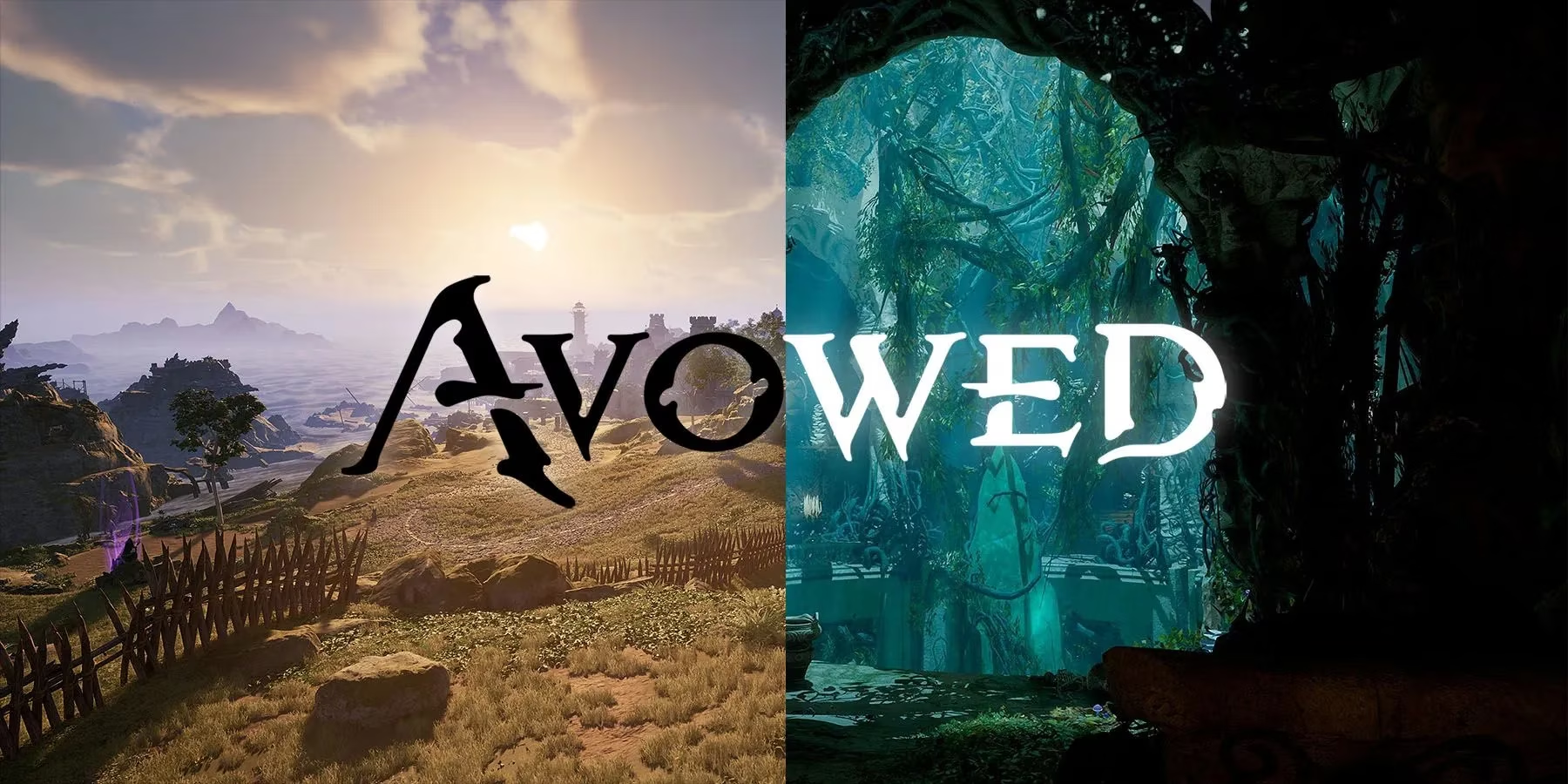
Obsidian Entertainment’s Avowed, the first-person fantasy RPG set in the Pillars of Eternity universe, entered its preview cycle as one of the most anticipated games of 2024, with a fall release expected at the time. By 2026, however, the conversation has moved beyond anticipation: the game arrived in early 2025, and its environmental design can be examined with the benefit of distance. Even in the earliest footage, Avowed stood out for bright, colorful, and lush landscapes. That visual generosity is attractive, but it also makes the case for darkness stronger. A fantasy world that never asks players to step into shadow risks becoming a sunlit diorama rather than a place with danger, mystery, and contrast.
Brightness Needs a Counterweight
After its showcase during the Xbox Developer Direct, fans offered feedback and remarks about the footage, and Obsidian committed to improving many of the features that were pointed out, including combat. That responsiveness matters, but environment design deserves the same scrutiny. Avowed’s bright environments can provide wonder, readability, and a sense of invitation. Yet a steady diet of luminous fields and saturated skies can flatten the emotional range of an adventure. Darkness should function like a trapdoor beneath a banquet table: a sudden, optional descent that turns a feast of color into a test of nerve.
Fantasy role-playing games have long understood this. Dark caves filled with enemies and secrets around every corner serve as immersive interludes in brighter worlds, a sentiment that rings true in series such as The Elder Scrolls and Baldur’s Gate. There is nothing quite like the thrill and occasional stress of venturing into the unknown darkness of a fantasy RPG or action-adventure game. Avowed belongs to that lineage, and its Pillars of Eternity heritage gives it every reason to embrace shadow rather than treat it as an afterthought.
Darkness as a Design Tool
Caves and dungeons in the RPG and action-adventure genres often double as optional side activities in which players can almost always guarantee that some kind of reward waits at the end. Darkness itself can even act as a foe at times, encouraging players to wield a torch or another light source to illuminate the way forward. Mechanics such as these were fully realized in The Legend of Zelda: Tears of the Kingdom’s Depths, the highly rewarding underground realm of Hyrule that became one of the game’s best features. The Depths are a subterranean test of courage, where every torch is a small act of defiance.
Avowed can learn from that model without copying it. A dark cave can act as a low bass note beneath a bright melody, giving the adventure weight without drowning it. The point is not to make every area grim, but to let darkness do specific work:
-
🕯️ Create mechanical pressure: limited visibility, ambushes, and light management make exploration feel active.
-
🗝️ Hide optional rewards: side caves and dungeons give players a reason to deviate from the main path.
-
🎭 Shift emotional tone: shadow provides tension, secrecy, and relief from constant visual brightness.
-
🧭 Reward preparation: torches, spells, and consumables gain value when darkness is a real obstacle.
A table helps clarify the contrast:
| Design Goal | Bright Environments | Dark Environments |
|---|---|---|
| Emotional tone | Wonder, openness, invitation | Tension, secrecy, risk |
| Player role | Explorer in a living landscape | Intruder in a hostile space |
| Reward structure | Visible quests and vistas | Optional caves, dungeons, hidden loot |
| Mechanical pressure | Navigation and combat readability | Light management, ambush, disorientation |
Preventing Visual Fatigue
Another reason Avowed needed to include a healthy number of darker environments is to prevent players from becoming fatigued with its brighter landscapes. If players are forced to gaze into the same color and light schemes throughout the majority of the game, Avowed’s visuals may eventually blend together and leave players feeling underwhelmed or burnt out. A dark cave can be like a cellar door in a sunlit orchard: it offers a cool, unexpected pause that makes the orchard feel more alive when the player returns.
Darker environments can thus serve as a much-needed break from the bright outside world, and they can simultaneously make the welcoming nature of light more worthwhile in the long run, especially if darker places host more challenges than brighter ones do. The preview cycle left the exact balance unclear, and trailers did reveal darker places to explore. Whether those environments have the same appeal as the best caves and dungeons of the RPG and action-adventure genres is a question each player answers differently. By 2026, the useful takeaway is structural rather than speculative: contrast is not decoration. It is a pacing tool, a reward structure, and a source of identity.
Obsidian’s past games suggest an understanding of systems that support player agency, and Avowed’s world benefits when light and dark are treated as partners rather than rivals. The bright surface gives players a home to defend; the dark below gives them a reason to light a torch, listen for movement, and step forward anyway.